

Finding the right model building kit can feel slow and frustrating, especially when patience is your thing and you want a project that respects that. You want detail, quality, and a build that lasts more than a single afternoon. Here are five of the strongest options based on real user experiences:
Top professionally picked kits for patient model builders
These are carefully selected to suit patient hobbyists who enjoy long, focused builds with real depth and quality parts.
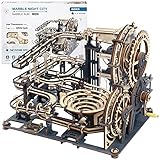
- New wooden marble run!Build it with 294 pieces and 10 marbles.The end result is pretty cool.It has a crank that uses large gears to move marbles up to the top of the machine where they roll down into different channels.
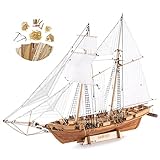

- 【Inline 4-Cylinder Diesel Engine Scale Model】Explore this highly detailed diesel engine scale model and its powerful performance. It features transparent cylinder head, movable pistons, air valves, exhaust pipes, turbochargers details, precisely replicating the operation of a true inline 4-cylinder diesel engine, making it an ideal choice for any mechanic diesel enthusiast or model collector.
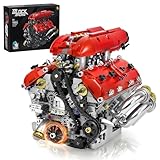
- Highly Detailed V8 Mechanical Structure - This v8 engine model kit that runs brings real mechanical motion to life. Key components like the camshaft system, timing chain structure, and turbocharged layout are meticulously reproduced, delivering an exciting, hands-on building experience. An ultimate choice for mechanical engineers and car enthusiasts!

- A PERENNIAL CLASSIC FOR EXPERIENCED MODELERS: AMT’s 1/25 scale 1967 Shelby GT-350 is the perfect project for muscle car builders. Add it to your collection today!
Why model building kits suit patient hobbyists so well
Model building is not really about the finished object. It is about the hours in between.
If you have a patient personality, a long and detailed kit can feel less like a toy and more like a quiet project. The slow trimming of parts. The sanding. The dry-fitting. The tiny corrections that nobody else will ever notice.
Good kits reward patience. Bad kits punish it. The goal is to find kits where every extra minute you invest makes the result look and feel better.
That is why the choice of kit matters so much. Two boxes can look similar on a shelf, but one will build into a smooth, satisfying project while the other will fight you at every step.
Key types of model building kits for patient hobbyists
Before talking about quality, it helps to be clear about the main types of kits. Each type needs a slightly different kind of patience.
Static scale models
These are the classic kits: planes, ships, tanks, cars, figures. They usually involve sprues, glue, and paint. They are ideal if you like detailed finishing and slow, careful work.
Typical features:
- Plastic or resin parts on sprues
- Glue and paint required
- Many small parts, sometimes hundreds
- Decals for markings and insignia
These kits tend to have the longest build times, especially once painting and weathering are part of the plan.
Snap-together or push-fit kits
These kits push together without glue. Some are aimed at beginners, but better ones still offer strong detail. They are good if you enjoy patience but want fewer messy steps.
- No glue required
- Often pre-colored parts
- Good for relaxing builds and practice
- Less surface prep, more focus on assembly
Patient hobbyists sometimes use these kits to learn new techniques without risking a complex, expensive kit.
Mechanical and moving kits
These are models that move: gear-based models, mechanical puzzles, vehicles with working suspensions, or wooden kits with wind-up mechanisms.
- Working gears, springs, or linkages
- Precise fit is critical for movement
- Requires test fitting and careful sanding
- Satisfying for those who like functional builds
Here, patience shows in the testing phase. Rushing usually leads to binding parts or weak motions.
Wooden and architectural kits
These include wooden ships, buildings, houses, and dioramas. They are slow, detailed, and sometimes a little unforgiving.
- Wood, card, or mixed materials
- Often more fragile during assembly
- Good for careful, methodical builders
- Strong sense of craft and display value
Patience with measuring, trimming, and dry-fitting really pays off with these kits.
What to look for in model building kits for patient hobbyists
A kit can be complex without being good. The goal is not just a high part count. The goal is smart difficulty.
1. Level of complexity vs clarity of instructions
Complexity is easy. Quality instructions are not.
For patient hobbyists, a good kit should have:
- Clear, step-by-step diagrams
- Logical subassemblies
- Good labeling of parts and sprues
- Exploded views where needed
Patience should go into the building and finishing, not into guessing what the manual is trying to say.
Look for reviews that mention instruction quality. Experienced builders will often comment on confusing steps, unclear arrows, or missing paint callouts. That is a warning sign.
2. Part fit and engineering
Good engineering separates a relaxing build from a frustrating one.
Signs of solid engineering:
- Parts line up without force
- Visible seams are minimal and logical
- Test fitting feels snug but not tight
- Large parts do not warp easily
If many reviewers mention “lots of filler needed” or “major gaps,” expect extra work. Some patient hobbyists enjoy that challenge. Others just want a clean build.
3. Material quality
Different kits use different materials, and not all are equal.
| Material | Feels like | Good for | Watch out for |
|---|---|---|---|
| Polystyrene plastic | Standard model plastic | Most scale models | Brittle thin parts, warping if stored badly |
| Resin | Heavier, crisp detail | Highly detailed figures, aftermarket parts | Needs special glue, sometimes bubbles or warps |
| Wood | Natural grain, light | Ship models, architecture | Splitting, variation in thickness, humidity issues |
| Metal (photo-etch / cast) | Very thin or very solid | Fine details, railings, grills | Fiddly handling, sharp edges, hard to bend cleanly |
Patient builders often enjoy working with mixed media kits, but those kits need more tools and more care. That is fine if you know what you are getting into.
4. Detail level and accuracy
If you have a patient mindset, fine detail is usually a positive thing, not a problem.
Good detail shows up in:
- Crisp panel lines and surface textures
- Well-defined cockpit or interior detail
- Optional open or closed hatches and doors
- Separate parts for tools, rails, or accessories instead of molded lumps
For historical or technical kits, accuracy matters. Look for comments about shape issues, incorrect proportions, or missing features. Some hobbyists accept minor issues, others cannot ignore them once seen.
5. Painting and finishing opportunities
Patient hobbyists usually like kits that give room for advanced finishing, such as:
- Multi-part assemblies that can be painted separately
- Large, flat areas for weathering
- Good surface texture for washes and dry brushing
- Clear parts for windows, canopies, or lenses
Many builders spend more time painting a model than assembling it. A good kit respects that by making painting easier, not harder.
If you enjoy subtle shading, chipping, or weathering, look for kits where surface detail supports those techniques instead of fighting them.
6. Time commitment and project size
Patience does not mean endless free time.
Check:
- Approximate part count
- Number of subassemblies in the manual
- Size of the finished model
- Number of color schemes or variants included
A very large, complex kit can become a burden if it spends months half-built on a shelf. Smaller, dense kits can give the same satisfaction with less space and less risk of burnout.
Pros and cons of advanced model building kits for patient hobbyists
Why these kits are worth the effort
Stronger kits for patient builders come with clear benefits. They are not for everyone, but they reward a certain mindset.
Advantages of advanced, detailed kits
- Deep, immersive build sessions instead of quick, shallow projects
- Higher detail, which suits slow, careful painting and weathering
- Better sense of progress as subassemblies come together
- More varied techniques: sanding, filling, scribing, detailing
- Higher display value when finished, often worthy of a permanent spot
- Encourages learning: airbrushing, masking, advanced glue work
- Often stronger resale value if built well and carefully kept
- Opportunities to add aftermarket parts, figures, or dioramas
- Stronger feeling of achievement at the end
Downsides patient hobbyists should consider
- Risk of fatigue on very long builds that stretch over many weeks
- Higher cost, especially for large or mixed-media kits
- Need for more tools: hobby knives, files, clamps, paints, airbrush
- Storage and display space required for larger scales
- More fragile parts, easier to break during or after assembly
- Can be intimidating when opening the box for the first time
- Instructions are not always at the same level as the kit quality
- Greater frustration if mistakes happen late in the build
These cons do not cancel the benefits, but they are worth thinking about honestly before committing to a very advanced kit.
How to match a model building kit to your patience and skill
Finding the right kit is less about brand loyalty and more about knowing your own habits and limits.
Know your patience style
Patience is not just about waiting. It is about how you react when things slow down or go wrong.
Ask yourself:
- Do you enjoy repetitive steps or do they bore you?
- Are you willing to re-do a part to get it right?
- Do you like long sessions or short, frequent ones?
- How do you feel about sanding and filling gaps?
If repetition relaxes you, you may enjoy kits with lots of similar assemblies, like tank tracks or rigging. If repetition drains you, look for kits with more variety in the build steps.
Be honest about your current tools and space
Some kits assume you have a full hobby setup. Others work with basic tools and a small desk.
Before buying a complex kit, check whether you already have:
- Cutter, hobby knife, and sanding tools
- Glue suitable for the material (plastic, resin, wood)
- Brushes and paints, possibly an airbrush
- A stable, well-lit workspace where parts will not get lost
Patient hobbyists can get good results with simple tools, but big, advanced kits will push the limits of a basic setup.
Start with a realistic difficulty jump
Going from a basic snap kit straight to a massive mixed-media ship with rigging is a shock.
A more realistic path could be:
- Start: small plastic snap-fit kit
- Next: medium plastic glue kit with simple painting
- Then: larger kit with more parts and decals
- Later: kits with photo-etch, resin, or complex interiors
Each step adds a little more challenge without turning the hobby into a source of stress.
Features that make a model kit good for long, patient builds
Not every advanced kit is well designed. Some are just complicated. Good long builds share a few traits.
Logical subassemblies
A well-designed kit breaks the build into logical sections: cockpit, engine, chassis, hull, turret, and so on.
This helps because:
- You can treat each section like a mini project
- Painting subassemblies is easier and cleaner
- You can pause between sections without losing track
- It gives constant small wins during a long build
Dry-fit friendly design
Dry fitting is a patient builder’s best habit. It means testing fit before committing glue.
Good kits support this by having:
- Clear attachment points
- Tabs and slots that lock lightly into place
- Parts that hold together without glue for test checks
If reviews say “needs a lot of clamping” or “parts pop apart easily,” expect more frustration in this area.
Helpful sprue layout and numbering
This sounds minor, but during a long build it matters.
Better kits often have:
- Clearly labeled sprues with big letters
- Part numbers that match the manual layout
- Logical grouping of parts by section
- Minimal reuse of the same number across different sprues
This reduces the mental load. Your patience goes into careful work, not hunting for tiny numbers.
Quality decals and markings
Patient builders usually enjoy the decal stage. It brings the model to life.
Look for:
- Thin, flexible decals that settle well
- Good color density without being too thick
- Multiple marking options in the box
- Clear placement guides in the instructions
Poor decals can silver, tear, or refuse to conform to surfaces. That can ruin many hours of careful painting.
Extra tools and supplies that make long builds smoother
Model kits aimed at patient hobbyists often assume a slightly upgraded tool set. Not fancy, just practical.
Basic tools that change the experience
- Good side cutters for clean part removal
- Sharp hobby knife with spare blades
- Sanding sticks or sponges in multiple grits
- Fine tweezers for tiny parts
- Pin vise for small holes
- Clamps or clips for holding parts while glue cures
These tools do not just speed things up. They make slow, careful work more controlled and less frustrating.
Finishing supplies that reward patience
- Primer for better paint grip and to reveal flaws
- Filler putty for gaps
- Panel line washes for depth
- Clear gloss and matte coats for decals and final finish
- Weathering powders or pigments for subtle aging
Patient builders tend to enjoy slow, layered finishing. These tools support that style.
Common mistakes patient hobbyists still make
Patience helps, but it does not prevent every problem. Some issues appear again and again.
Taking on a project that is too large
Many hobbyists pick kits that match their ambition instead of their time and space. That can lead to half-finished giants.
Warning signs:
- The box is hard to store anywhere flat
- The manual feels like a small book
- You feel tired just flipping through the pages
Patience does not mean you must always choose the hardest or biggest option.
Skipping test fits and surface prep
Sometimes patient builders assume their patience will fix things later. So they push ahead without checking fits or cleaning parts properly.
This leads to:
- Visible seams in bad places
- Misaligned parts that are hard to fix later
- Poor paint adhesion on oily or dusty surfaces
A few extra minutes of preparation often saves hours of repair work.
Overloading the build with aftermarket additions
Aftermarket parts can be great. But too many at once can overload the project.
Extra photo-etch, resin cockpits, turned barrels, and scratch-built details all demand more patience and time. That is fine, as long as you accept that the build will be slower than expected.
A simple kit finished well can look better than a top-tier kit weighed down with half-installed extras.
FAQ: Model building kits for patient hobbyists
Are model building kits for patient hobbyists suitable for beginners?
Some are, some are not. Many advanced kits assume you already know basic techniques like sanding, gluing, and simple painting. If you are a beginner but also a patient person, start with a medium-difficulty kit that uses glue and paint, but not heavy photo-etch or complex rigging. Then step up slowly as your confidence grows.
How long should a model building kit for patient hobbyists take to finish?
Build time depends on kit size, your pace, and how much detail you add. A small but detailed kit might take a few long evenings. A large, advanced kit can stretch over many weeks of short sessions. Patient hobbyists often prefer to work in short, regular blocks rather than rushing to finish.
What tools are needed for advanced model building kits for patient hobbyists?
At minimum, plan on side cutters, a sharp hobby knife, sanding tools, glue suited to the kit material, brushes, and paints. For more advanced kits you may want primer, clear coats, weathering products, and possibly an airbrush. You do not need everything at once, but a few quality tools make long builds more pleasant.
How can a patient hobbyist avoid frustration with complex model building kits?
Break the project into sections and treat each section as its own small build. Test fit often, keep your workspace tidy, and accept that mistakes will happen. If frustration grows, stop, walk away, and come back later. Patience is not just about working slowly, it is also about knowing when to pause.
Are snap-fit kits useful for patient hobbyists who want a challenge?
Yes, they can be. Some snap-fit kits still have strong detail and can be treated as serious projects, especially if you sand seams, apply primer, and use advanced painting and weathering. For a patient builder, a snap-fit kit can be a low-stress canvas to practice finishing skills.
What makes a model building kit “good” for patient hobbyists in terms of value?
A good value kit gives many hours of satisfying work, offers clear instructions, has strong part fit, and looks impressive once finished. It does not need to be the largest or most complex. Strong value comes from a balance between cost, build experience, and final display quality.
How do model building kits for patient hobbyists compare across materials like plastic, wood, and resin?
Plastic kits are the most common and usually the easiest to handle. Wood kits feel more like traditional craft projects and can be slow but rewarding, especially for ships and buildings. Resin kits often have sharper detail but need more preparation and special glue. Patient hobbyists tend to choose based on the subject they like and the tools they already have.
Can model building kits for patient hobbyists help improve focus and relaxation?
Many builders report that steady, repetitive tasks like sanding, painting, and careful assembly help them relax and focus. The act of working through a long project step by step can be calming. It gives the mind just enough to do, without constant noise or distraction.
What scale of model building kits is best for patient hobbyists?
Smaller scales fit better in limited spaces and often cost less, but the parts can be tiny. Larger scales are easier on the eyes and hands, and they show off detail better, but they need more space and time. Patient hobbyists often settle on one or two favorite scales that balance detail with practical size.
Is it better for patient hobbyists to stick to one type of model kit or try many?
There is no single right answer. Some hobbyists enjoy mastering one type of subject, like aircraft or ships, refining their skills on similar kits. Others keep their interest alive by switching between cars, figures, armor, and buildings. The main question is simple: does the project on the bench still feel interesting to you when you sit down to work on it?
So what makes a model building kit truly suited to a patient hobbyist?
A kit suits a patient hobbyist when it rewards slow, careful work instead of punishing it. That means good part fit, clear instructions, detailed surfaces for painting, and a build process that feels steady rather than frantic.
If a kit can turn your patience into a model you are proud to display for years, then it has done its job. The only real question left is: how long are you willing to enjoy the build before you call it done?